|
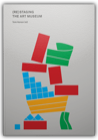
(RE)staging the Art Museum?
+82
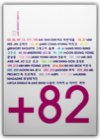
참가자들 빅반데폴 김희진 박찬경 그레고리 숄렛 강우성 심드렁 문승용 장용석 고군 & 조군 김상돈 김민영 이호석 문나 뿌직 쎄 프로젝트 MSPL 워킹매거진 나일라 다바지 & 지아드 비타 1,2,3... Avant-Gardes. Film/Art between Experiment and Archive
1,2,3... Avant-Gardes. Film/Art between Experiment and Archive
7th Berlin Biennale for Contemporary Art: Forget Fear
39(2) 39조 2항
60년대 미술 - 순수미술에서 문화정치학으로, Hyunmun Theoria 2

2011 군산 프로젝트 『우여곡절 迂餘曲折: 군산의 사람과 움직임』 Gunsan Project
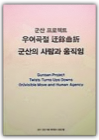
(...)2011년 군산 아트 레지던시 프로젝트 제목은 우여곡절입니다. 해당 번역어로 영어에 vicissitudes라는 단어가 있지만 의도적으로 본 프로젝트의 영제를 Twists, Turns, Ups, Downs라고 하였고, 부제로 군산의 사람과 움직임, 즉 (In)visible Move and Human Agency라 하였습니다. 우여곡절은 다사다난, 파란곡절과 동의어로서 여러 가지 사정이 뒤얽혀 몇 번이고 변화한다는 결과론적 흐름을 지칭하는 정태적 단어로만 이해되는 경향이 있습니다. 하지만 동시에 낱낱이 한자를 들여다보면, 굽을 우 迂, 나머지 여 餘, 굽을 곡 曲, 꺽을 절 折 이라는 매우 다양한 양태의 운동성과 대응방안을 함의하고 있습니다. 또한 그 속에는 선택적 우회, 잔여, 구속, 미등록 되어 유보된 중간지대, 비장소, 협상의 기술 등 이분법과 엄격한 위계질서가 강한 삶의 질서에 생존해 가는 적극적 전술과 이치들이 숨어 있습니다(...) 김희진, 『우여곡절 迂餘曲折: 군산의 사람과 움직임』, 서울: 포럼에이, 2011, 책머리에 2012 아르코 미디어 비평 총서 시리즈 1 Arko Media Critique Series
목차 ㅇ 인사말 / 이한신 ㅇ 작가 소개 ㅇ 글쓴이 소개 ㅇ 글 / 미디어 신체의 예술가와 랜덤 SF시간- 비말라키와 목련경의 미디어화된 세계와 노재운의 미디어 미학 미디어 신체를 지닌 예술가———————— p. 27 이중 미디어화된 세계: 비말라키 넷이라는 `A New World`————————p. 41 시간의 화살이 부러지면—————————— p. 71 극종(劇終)과 역사의 종말————————— p. 77 2012 아르코 미디어 비평 총서 시리즈 2 2012 Arko Media Critique Series
목차 ㅇ 인사말 / 이한신 ㅇ 작가 소개 ㅇ 글쓴이 소개 ㅇ 글 / 역설의 자유를 향유하다- 안정주의 비디오예술——————————————-p. 19 2012 아르코 미디어 비평 총서 시리즈 3 Arko Media Critique Series
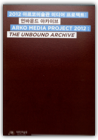
ㅇ 인사말 /이한신 ㅇ 작가 소개 ㅇ 글쓴이 소개 ㅇ 글 / 연대의 열정과 초연 사이 1. 흐름, "모든 안착한 사람들"에게—————————————————————— p. 19 2. 스침, "이때 대답해야 하는 것이 바로 살갗이다."——————————— p. 25 3. 시적인 것들, "내 언어가 아닌 다른 언어로 언술하고 싶다."———— p. 47 4. 연대, "성직자는 한 사름도 따라가지 않았다."————————————— p. 63 5. 투쟁, "우리는 우리 자신의 마귀이다."—————————————————— p. 83 6. 종착, "그리하여 밤이 밤을 밝히었다."—————————————————— p. 95 2012 아르코미술관 미디어 프로젝트: 언바운드 아카이브 Arko Media Proejct 2012: The Unbound Archive
ㅇ 인사말 / 이한신 ㅇ 소개글 / 이영주 ㅇ 아르코미디어 비평총서 시리즈 선정작가 소개 노재운 안정주 정은영 ㅇ 아르코미디어 작품 공모 선정작가 소개 김도희 김태은 김혜지 노기훈 리금홍 무진브라더스 박민하 박성연 신정균 임선희 장규정 장종완 ㅇ벨기에 아르고스 미디어 센터 초청 특별 스크리닝 & 강연 ㅇ아르코미술관의 미디어 아카이브 / 김태연 ㅇ아르코미디어 아카이브 콜렉션 ㅇ참여작가 약력 2030 크로스 - 불임의 시대를 가로지르는 붙임의 세대론

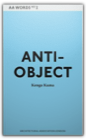
AA Words Two: Anti-Object?: The Dissolution and Disintegration of Architecture
Above the Pavement - the Farm! : Architecture & Agriculture at Public Farm 1

Above the Pavement—the Farm! presents a delectable range of ideas and issues situated at the intersection of architecture, urbanism, and food. Featuring a lively mlange of voices depicting the making of P.F.1—with contributions by artist and agricultural activist Fritz Haeg, architectural historian Meredith TenHoor, architect Winy Maas, and head chef Michael Anthony of New York City's Gramercy Tavern—this book introduces a new era of ecological thinking and urban sustenance. Amale Andraos and Dan Wood are the founders of New York City-based WORK Architecture Company. The Administration of Fear
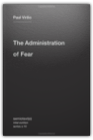
The administration of fear also means that states are tempted to create policies for the orchestration and management of fear. Globalization has progressively eaten away at the traditional prerogatives of states (most notably of the welfare state), and states have to convince citizens that they can ensure their physical safety. In this new and lengthy interview, Paul Virilio shows us how the "propaganda of progress," the illuminism of new technologies, provide unexpected vectors for fear in the way that they manufacture frenzy and stupor. For Virilio, the economic catastrophe of 2007 was not the death knell of capitalism, as some have claimed, but just further evidence that capitalism has accelerated into turbo-capitalism, and is accelerating still. With every natural disaster, health scare, and malicious rumor now comes the inevitable "information bomb"—live feeds take over real space, and technology connects life to the immediacy of terror, the ultimate expression of speed. With the nuclear dissuasion of the Cold War behind us, we are faced with a new form of civil dissuasion: a state of fear that allows for the suspension of controversial social situations. Alex Coles - the Transdisciplinary Studio
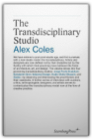
Animism

Anton Vidokle: Produce, Distribute, Discuss, Repeat

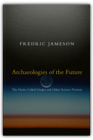
This book focuses attention on the implications of this singular undertaking: Can one be an artist without making anything that is easily defined as art even at a moment when nearly everything can be so designated? Can one play down one s own contributions to diverse projects and still be recognized as the point of convergence that unifies them? Contributions by Media Farzin, Liam Gillick, Boris Groys, Maria Lind, Monika Szewczyk, Jan Verwoert. Interview with Martha Rosler by Bosko Blagojevic. Archaeologies of the Future: The Desire Called Utopia and Other Science Fictions
Architecture on Display: On the History of the Venice Biennale of Architecture

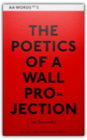
Architecture Words 3: The Poetics of a Wall Projection
The Archive
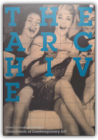
This volume surveys the full diversity of our transformed theoretical and critical notions of the archive—as idea and as physical presence—from Freud's "mystic writing pad" to Derrida's "archive fever"; from Christian Boltanski's first autobiographical explorations of archival material in the 1960s to the practice of artists as various as Susan Hiller, Ilya Kabakov, Thomas Hirshhorn, Renée Green, and The Atlas Group in the present. Copublished with Whitechapel Art Gallery, London Art & Activism in the Age of Globalization: Reflect No. 8
Art and Social Change: A Critical Reader
Art in Theory 1900 - 2000: An Anthology of Changing Ideas
As A Weasel Sucks Eggs, An Essay on Melancholy and Cannibalism
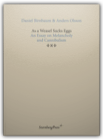
relevant today, as the authors examine the enigmatic relation of melancholia to an early kind of cannibalism, using readings from Kafka, Beckett, Freud, and Hegel, among others, to illustrate their points. Touching on such themes as primitive sacrificial rites and contemporary anthropology, philosophy, and linguistic theory, the text asks if it is possible to transfer this idea of a different kind of food to other art forms, such as painting and sculpture. "The saturnine mind is gloomy and depressed, yet inspired and radiant," write the authors. "It is the state of mind of inspiration." Autogestion, or Henri Lefebvre in New Belgrade
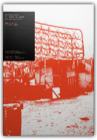
The text from Henri Lefebvre was submitted as part of a proposal with French architects Serge Renaudie and Pierre Guilbaud for the International Competition for the New Belgrade Urban Structure Improvement in 1986, sponsored by the state of Yugoslavia. In his urban vision for New Belgrade the capital of former Yugoslavia founded in 1948 Lefebvre emphasizes the processes and potentials of self-organization of the people of any urban territory to counter the failed concepts of urban planning from above. For Lefebvre, at this late point in his life, the promises of both modernist capitalist as well as state socialist architecture and city planning had failed. Yet, Lefebvre viewed New Belgrade and Yugoslavia as having a particular position in what he has elsewhere called the urban revolution; As Lefebvre states, ; because of self-management, a place is sketched between the citizen and the citadin, and Yugoslavia is today [1986] perhaps one of the rare countries to be able to pose the problem of a New Urban. With contributions by Sabine Bitter and Helmut Weber, Ljiljana Blagojevic, Zoran Eric, Klaus Ronnberger and Neil Smith. Baghdad Calling: Reports from Turkey, Syria, Jordan and Iraq

Bartleby the Scrivener: A Story of Wall Street
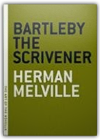
The rat race of Wall Street is turned on its head when Bartleby the copier decides that he simply "would prefer not to" in this absorbing early modernist tale. Being Political Popular - <마지막 혁명은 없다> 영문판
BLESS. Celebrating 10 Years of Themelessness: No.00 – No.29

Bona Park: X, XX, X2

The Book About Moomin, Mymble and Little My
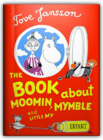
A beautiful and boisterous story by internationally acclaimed children’s author Tove Jansson, this picture book is sure to tickle the fancies of parents and kids as well as Moomintroll fans everywhere! A Brief History of Curating

Cecil and Jordan in New York: Stories by Gabrielle Bell
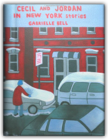
Colors 컬러스 - 2012.가을
Colors 컬러스 78호 - 2010.가을 - Dance 춤
Colors 컬러스 79호 - 2010-2011.겨울 - Collector 수집가
Colors 컬러스 80호 - 2011.봄 - Superheroes 슈퍼히어로
Colors 컬러스 81호 - 2011.여름 - Transport: a survival guide 운송수단: 서바이벌 가이드
Colors 컬러스 82호 - 2011.가을

Colors 컬러스 83호 - 2012.봄
Colors 컬러스 85호 - 2012.겨울

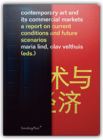
Contemporary Art and Its Commercial Markets
Contemporary Art Journal 컨템포러리 아트 저널 2012 Vol.10
Contemporary Art Journal 컨템포러리 아트 저널 2012 Vol.11
Conversation Pieces

The Country of the Blind
Critical Spatial Practice - What is Critical Spatial Practice?
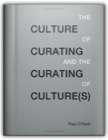
The Culture of Curating and the Curating of Culture
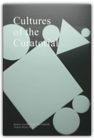
Cultures of the Curatorial
Curating and the Educational Turn
CURATING SUBJECTS

The Democratic Paradox
Design and Art

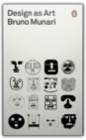
The texts include writings by Paul Rand, Hal Foster, Miwon Kwon, and others that set the parameters of the debate; utopian visions, including those of architect Peter Cook and writer Douglas Coupland; project descriptions by artists (among them Tobias Rehberger and Jorge Pardo) juxtaposed with theoretical writings; surveys of group practices by such collectives as N55 and Superflex; and views of the artist as mediator—a role assumed in the past to be the province of the designer—as seen in work by Frederick Kiesler, Ed Ruscha, and others. Finally, a book that doesn't privilege either the art world or the design world but puts them in dialogue with each other. Contributors: David Bourdon, Peter Cook/Archigram, Douglas Coupland, Kees Dorst, Charles Eames, Experimental Jetset, Vilém Flusser, Hal Foster, Liam Gillick, Dan Graham, Clement Greenberg, Richard Hamilton, Donald Judd, Frederick Kiesler, Miwon Kwon, Maria Lind, M/M, N55, George Nelson, Lucy Orta, Jorge Pardo, Norman Potter, Rick Poynor, Paul Rand, Tobias Rehberger, Ed Ruscha, Joe Scanlan, Mary Anne Staniszewski, Superflex, Manfredo Tafuri, Rirkrit Tiravanija, Paul Virilio, Joep van Lieshout, Andy Warhol, Benjamin Weil, Mark Wigley, and Andrea Zittel. Copublished with Whitechapel Art Gallery, London Design As Art
Do It

Documenta 13: Catalog I/3, The Book of Books
Documenta 13: Catalog III/3, The Guidebook
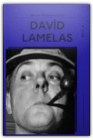
Drawing Room Confessions #4: David Lamelas [Taschenbuch] by David Lamelas
E-flux Journal Reader 2009
This climate of disciplinary reconfiguration and geographic dispersal has made the art world a highly complex place the objective position that once defined the role of a critic has been effectively replaced by a need to understand just how large and varied the whole thing has become. The urgent task has now become to engage the new intellectual territories in a way that can revitalize the critical vocabulary of contemporary art. Perhaps the most productive way of doing this is through a fresh approach to the function of an art journal as something that situates the multitude of what is currently available, and makes that available back to the multitude. The selection of essays included in this book seeks to highlight an ongoing topical thread that ran throughout the first eight issues of e-flux journal a sequence of overlapping concerns passed on from one contribution to the next. Contributions by Michael Baers, Luis Camnitzer, Liam Gillick, Boris Groys, Tom Holert, Gean Moreno and Ernesto Oroza, Marion von Osten, Raqs Media Collective, Dieter Roelstraete, Irit Rogoff, Sean Snyder, Hito Steyerl and Monika Szewczyk. E-Flux Journal: Are You Working Too Much? Post-Fordism, Precarity, and the Labor of Art

E-Flux Journal: What is Contemporary Art?

Education
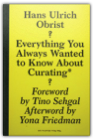
Everything You Always Wanted to Know About Curating* But Were Afraid to Ask
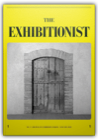
The Exhibitionist no.1
Exit Wounds
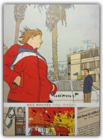
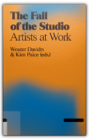
Exit Wounds is the North American graphic-novel debut from one of Israel's best-known cartoonists. Modan has received several awards in Israel and abroad, including the Best Illustrated Children's Book Award from the Israel Museum in Jerusalem four times and Young Artist of the Year by the Israel Ministry of Culture. She is a chosen artist of the Israel Cultural Excellence Foundation. The Fall of The Studio: Artists at Work
fare-well
FGA #29 - Italian Conversations: Art in the Age of Berlusconi
Film Curatorship: Museums, Curatorship and the Moving Image
Film Curatorship neither offers a scholarly analysis, nor attempts to provide definitive answers to a complex situation involving aesthetic as well as technological, economic and political issues. As a collective text, a montage of dialogues, conversations and exchanges between four professionals representing three generations of film archivists and curators, this book calls for an open philosophical and ethical debate on fundamental questions the profession must come to terms with. What is curatorship, and what does it imply in the context of film preservation and presentation? Is there a concept of the "film artifact" that transcends the idea of film as "content" or "art" in the information age? The four authors of Film Curatorship have agreed to lay bare their concerns, visions, and strategies in a multi-faceted brainstorming session, aimed at fostering an open, non-dogmatic debate on the relationship of film to other forms of moving image and its presentation and preservation in the 21st century. First As Tragedy, Then As Farce
Billions of dollars have been hastily poured into the global banking system in a frantic attempt at financial stabilization. So why has it not been possible to bring the same forces to bear in addressing world poverty and environmental crisis? In this take-no-prisoners analysis, Slavoj Zizek frames the moral failures of the modern world in terms of the epoch-making events of the first decade of this century. What he finds is the old one-two punch of history: the jab of tragedy, the right hook of farce. In the attacks of 9/11 and the global credit crunch, liberalism dies twice: as a political doctrine and as an economic theory. First as Tragedy, Then as Farce is a call for the Left to reinvent itself in the light of our desperate historical situation. The time for liberal, moralistic blackmail is over. Four or Five Roses

The Future of Art: A Manual
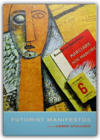
Futurist Manifestos
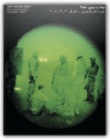
Geert Van Kesteren: Why Mister, Why?
Going Public

Ham Yang Ah

Hans Ulrich Obrist & John Baldessari: The Conversation Series Volume 18
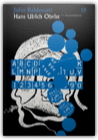
Hans Ulrich Obrist: Battery City: A Post-Olympic Beijing Mini-Marathon
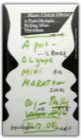
Having Been Said: Writings & Interviews Of Lawrence Weiner 1968-2003
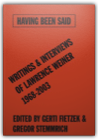
Since his earliest days as a professional artist, Weiner has given written and verbal expression to questions concerning his work and its context. These utterances—statements, interviews, lectures, and conference contributions—have been collected together in this publication for the first time, and ordered chronologically. Taken as a whole they afford an insight both into a complex individual biography and into the wider development of art and culture and the challenge that this entails. Edited by Gregor Stemmrich and Gerti Fietzek. Paperback, 6.5 x 9.5 in. / 496 pgs / 190 b/w. Headache 헤드에이크 issue #0 - 창간호
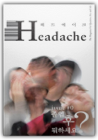
Hito Steyerl - the Wretched of the Screen. E-flux Journal
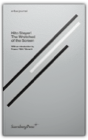
How to Look At Art-Talk: How to Look At Aesthetics, How to Look At Capital
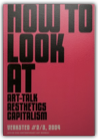
imageless
Informalize! Essays On The Political Economy Of Urban Form
Interiors - CCS Readers: Perspectives on Art and Culture
It's Nice To Be Nice, Try It
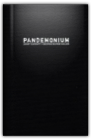
Janet Cardiff & George Bures Miller: Pandemonium
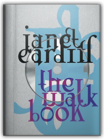
Janet Cardiff: The Walk Book
John Baldessari: Films Transferred to Video 1972-1977
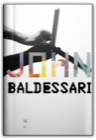
John Baldessari: Pure Beauty

Keren Cytter, The Seven Most Exciting Hours of Mr. Trier's Life in Twenty-Four Chapters
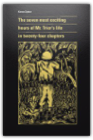
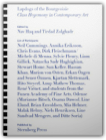
filmmaker Lars von Trier. Set around a Copenhagen hospital, it describes seven hours in the life of Tibor Klaus Trier the filmmaker's father from the moment that his wife goes into labor early in the morning until Lars is born. The plot only then begins to thicken: carjackings, family murder, zombies, Armageddon, and phantom diagnosis of cancer all vie for attention. Using classic slasher flicks and psychological pot-boilers and a wink to Glenn Gould as its guides, Cytter explores the metaphysical wildness of mind representative of von Trier's work. Lapdogs of the Bourgeoisie: Class Hegemony in Contemporary Art
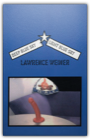
Lawrence Weiner: Deep Blue Sky/Light Blue Sky
The Laws of Simplicity
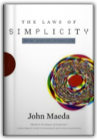
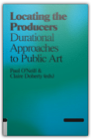
Finally, we are learning that simplicity equals sanity. We're rebelling against technology that's too complicated, DVD players with too many menus, and software accompanied by 75-megabyte "read me" manuals. The iPod's clean gadgetry has made simplicity hip. But sometimes we find ourselves caught up in the simplicity paradox: we want something that's simple and easy to use, but also does all the complex things we might ever want it to do. In The Laws of Simplicity, John Maeda offers ten laws for balancing simplicity and complexity in business, technology, and design—guidelines for needing less and actually getting more. Maeda—a professor in MIT's Media Lab and a world-renowned graphic designer—explores the question of how we can redefine the notion of "improved" so that it doesn't always mean something more, something added on. Maeda's first law of simplicity is "Reduce." It's not necessarily beneficial to add technology features just because we can. And the features that we do have must be organized (Law 2) in a sensible hierarchy so users aren't distracted by features and functions they don't need. But simplicity is not less just for the sake of less. Skip ahead to Law 9: "Failure: Accept the fact that some things can never be made simple." Maeda's concise guide to simplicity in the digital age shows us how this idea can be a cornerstone of organizations and their products—how it can drive both business and technology. We can learn to simplify without sacrificing comfort and meaning, and we can achieve the balance described in Law 10. This law, which Maeda calls "The One," tells us: "Simplicity is about subtracting the obvious, and adding the meaningful." Locating the Producers: Durational Approaches to Public Art
Maison Martin Margiela: 20 Years The Exhibition
Manifesta 9: The Deep of the Modern
Manifesta Journal
Manifesta Journal 7 2009/2010 Grammar Of The Exhibition
Manifesta Journal 8: 2009/2010
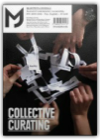
Manifesta Journal 9 2009/2010
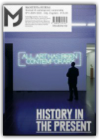
Manifesta Journal 11 2010/2011 Canon Of Curating
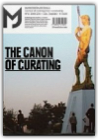
Manifesta Journal Vol 4, 5, 6
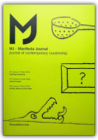
Markus Miessen: The Nightmare of Participation

Mj Manifesta Journal: Ethics 12
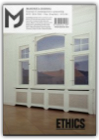
Moscow Symposium: Conceptualism Revisited

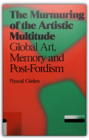
The Murmuring of the Artistic Multitude: Global Art, Memory and Post-Fordism
NJP Reader: 예술인류학에의 기고 Contributions to an Artistic Anthropology
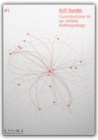
'The aim of the NJP Reader is to contextualize Nam June Paik's artistic thought and random access strategies in a topical discursive practice.' (Excerpt from the editorial on page 2) This issue presents selected responses of international artists, critics and curators to the following 3 questions posted in the form of a questionnaire: 1. Artistic anthropology intends to produce novel models of relationality and connectivity. Could (Nam June Paik’s legacy as a form of) artistic anthropology contribute to an artistic discourse going beyond the framework of “relational aesthetics”? What artists in our day have developed relevant examples of rethinking and recontextualizing an artistic anthropology? 2. What could artistic anthropology mean to current artistic practice? How could it relate to medium-specific qualities? Is it a form of artistic communication defined by a postmedium-condition? Or is it a practice demanding the concept of medium-specificity to change? 3. What could artistic anthropology - as a form of knowledge production - mean for the current classification system? Will it challenge the dominant paradigms of the established humanities and sciences? What type of new models might trigger this? How could artistic anthropology contribute to a better and more political understanding of the “human condition”? And what could artistic anthropology mean for the concept of art in general? Noh Suntag : Really Good, Murder

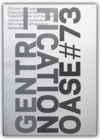
OASE 73: Gentrification
Okin Collective

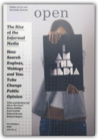
Open 13: The Rise of the Informal Media
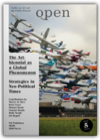
Open 16: The Art Biennial as a Global Phenomenon
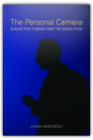
The Personal Camera: Subjective Cinema and the Essay Film
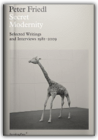
Peter Friedl: Secret Modernity: Selected Writings and Interviews 1981-2009
Playing the City - Interviews. 51 Artists, 10 Questions
Profit Over People
The Rest Is Noise: Listening to the Twentieth Century

A New York Times Book Review Top Ten Book of the Year Time magazine Top Ten Nonfiction Book of 2007 Newsweek Favorite Books of 2007 A Washington Post Book World Best Book of 2007 In this sweeping and dramatic narrative, Alex Ross, music critic for The New Yorker, weaves together the histories of the twentieth century and its music, from Vienna before the First World War to Paris in the twenties; from Hitler's Germany and Stalin's Russia to downtown New York in the sixties and seventies up to the present. Taking readers into the labyrinth of modern style, Ross draws revelatory connections between the century's most influential composers and the wider culture. The Rest Is Noise is an astonishing history of the twentieth century as told through its music. Rotterdam Dialogues: The Critics, the Curators, the Artists

S.O.S.
Self-Organisation: Counter-Economic Strategies
Seven Days in the Art World
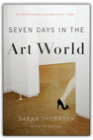
In a series of beautifully paced narratives, Sarah Thornton investigates the drama of a Christie's auction, the workings in Takashi Murakami's studios, the elite at the Basel Art Fair, the eccentricities of Artforum magazine, the competition behind an important art prize, life in a notorious art-school seminar, and the wonderland of the Venice Biennale. She reveals the new dynamics of creativity, taste, status, money, and the search for meaning in life. A judicious and juicy account of the institutions that have the power to shape art history, based on hundreds of interviews with high-profile players, Thornton's entertaining ethnography will change the way you look at contemporary culture. 8 illustrations Sharjah Biennial 10: Sharjah art museum and other venues, UAE.('Plot for a Biennial'): An article from: Artforum International

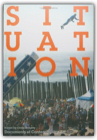
Citation Details Title: Sharjah Biennial 10: Sharjah art museum and other venues, UAE.('Plot for a Biennial') Author: Kaelen Wilson-Goldie Publication: Artforum International (Magazine/Journal) Date: June 22, 2011 Publisher: Artforum International Magazine, Inc. Volume: 49 Issue: 10 Page: 399(1) Distributed by Gale, a part of Cengage Learning Situation
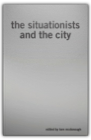
The Situationists and the City: A Reader
Six Fingers

목차 작가 Author 무용수 Dancer 상담사 Life planner 봉제공 Seamstress 메이저리거 Mager Leaguer 그 외 기록된 사람들 The Rest 그 외 기록되지 않은 사람들 and More Slavs and Tatars: Kidnapping Mountains

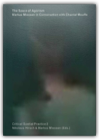
The Space of Agonism - M Miessen in Conversation with Chantal Mouffe. Critical Spatial Practice 2
Steal this Book

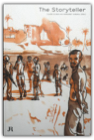
The Storyteller
Street Value: Shopping, Planning, and Politics at Fulton Mall
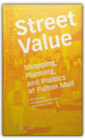
Street Value is a challenge to creatively rethink the planning and urban design of Fulton Street and other urban shopping districts. Street Value explores the mall's historical and contemporary conditions through original essays, oral histories, new and archival photographs, historic documents, and interviews with key planners, developers, city officials, historians, and activists from the 1960s to the present. Street Value probes the ideology of redevelopment and demonstrates how commercial, governmental, and activist forces have coalesced to produce one of Brooklyn's most legendary public spaces. Sung Hwan Kim - Ki-da Rilke
Sung Hwan Kim: Source Book 6

Surface Tension Supplement No. 4: Manual for the Construction of a Sound as a Device to Elaborate Social Connection
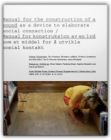
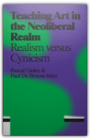
Teaching Art in the Neoliberal Realm: Realism versus Cynicism
Technical Problem

The book starts from the middle: having its “cover” inside, the reversed structure suggests the non-narrative nature of the performance. The pages alternate between the documentation photographs and the text, which includes a revealing transcription of the artists’ talk after the second and last performance on 24 April 2010. This Is Not a Program
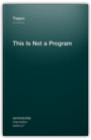
Two Faces
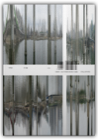
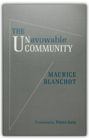
Conceptually, Two Faces is a combination of two books: one with the north side view and the other the south side. The book is constructed as if the two books are put together bottom-to-bottom, so that the two views from the Hangang correspond to each other geographically. The pages are Asian-folded to create the impression of a continuous flow of the landscape. The cover shows the entire work compressed widthwise to 1%. A short, personal essay by Z-won Rhee, reflecting the modern history of the Hangang, is included as a supplement. The Unavowable Community
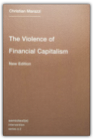
The Violence of Financial Capitalism
VITAL SIGNALS: Early Japanese Video Art
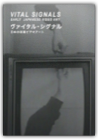
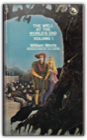
2010, 162 min, color and b&w, sound, DVD, Japanese with English subtitles Vital Signals is a survey of the vibrant, interdisciplinary video art scene in Japan in the 1960s and '70s. Produced by EAI, the DVD anthology features sixteen works by fifteen Japanese artists, among them key figures such as Takahiko Iimura, Mako Idemitsu and Toshio Matsumoto. The DVD is accompanied by a 100-page, bilingual (English and Japanese) illustrated catalogue publication. Essays by Barbara London, Glenn Phillips, and Hirofumi Sakamoto draw out the unique art historical and cultural contexts of early Japanese video art, and its relation to film and other visual art forms. The Vital Signals DVD is organized in three parts: The Language of Technology, Open Television, and Body Acts. In technical experiments, activist statements, and conceptual performances, Japanese artists of the 1960s and '70s transformed the intangible—time, gesture, the electronic signal—into rich art-making material. The Vital Signals DVD anthology and catalogue publication illuminate this fertile period of creative engagement in Japan. Well at the World's End Vol. 2
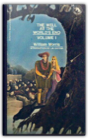
Well at Worlds End Vol 1
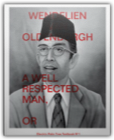
Wendelien Van Oldenborgh: A Well Respected Man, or Book of Echoes
Where Art Belongs
Why I Write
With Nam June Paik 2009-2010 - 백남준과 함께
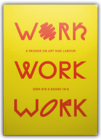
Work, Work, Work - a Reader on Art and Labour
XYZ City
The YouTube Reader
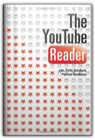
The YouTube Reader is the first full-length book to explore YouTube as an industry, archive, and cultural form. This remarkable volume brings together renowned film and media scholars to debate the problems and potential of "broadcasting yourself." The YouTube Reader takes on claims of newness, immediacy, and popularity with sytematic and theoretically informed arguments, offering a closer look at the available texts on YouTube and the policies and norms that govern their access and use. Contributors include Christopher Anderson, Thomas Elsaesser, Richard Grusin, Bernard Stiegler, Toby Miller, Lisa Parks, William Uricchio, and Janet Wasko. 감성의 분할 - 미학과 정치,
감시와 처벌
감정노동 - 노동은 우리의 감정을 어떻게 상품으로 만드는가
건축의 사회사 - 산업혁명에서 포스트모더니즘까지
검은 피부, 하얀 가면

게임, 게이머, 플레이 - 인문학으로 읽는 게임
공공도큐멘트

공공의 적들 - 작가의 길을 묻는 28통의 편지

고통과 기억의 연대는 가능한가? - 국민, 국가, 고향, 죽음, 희망, 예술에 대한 서경식의 이야기
공공도큐멘트 2
공항
관객의 꿈 : 차학경 1951-1982
관용 - 다문화제국의 새로운 통치전략
광학적 미디어: 1999년 베를린 강의 - 예술, 기술, 전쟁
구별짓기 -상 - 문화와 취향의 사회학, 21세기총서 3
구별짓기 -하 - 문화와 취향의 사회학, 21세기총서 3
구술문화와 문자문화
근대성과 페미니즘
근대의 책 읽기 - 독자의 탄생과 한국 근대문학
그대는 왜 촛불을 끄셨나요 - 폭력과 추방의 시대, 촛불의 민주주의를 다시 묻는다
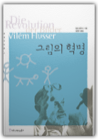
그림의 혁명
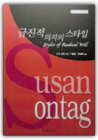
급진적 의지의 스타일
길종상가 2011

김한용, 광고사진과 소비자의 탄생

기억과 전쟁 - 미화와 추모 사이에서

까다로운 주체 - 정치적 존재론의 부재하는 중심
꽃

나는 왜 미술을 하는가 - 정치적인 것과 개념적인 것의 연결을 보여주기
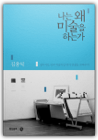
(...) 작가 김용익은 미술을 무엇이라 보는가, 그리고 왜 하는가. 그에게 미술은 미래의 에너지가 되는 것을 꿈꾸고 설계하는 일이다. 그것을 가로 막는 것들에 덫을 놓고 논리적으로 수정해 가는 일이다. 논리를 극한으로 전개하면 그것은 다름 아닌 순리純利에 닿게 된다. 결국 ‘미술하기‘는 인간이 순리대로 살기 위해 행하는 온갖 몸부림이 된다. 책의 마지막 장인 “무통문명에 소심하게 저항하기”에서 우리는 순리대로 살기위해 일상의 작은 혁명을 고요히 치르고 있는 김용익을 만난다. 순리대로 살기 어려워진 사회에서 순리와 상식을 지키기 위해 김용익은 여전히 미술을 하고 있다. 우리가 사는 도시에서 구현 가능한 순리가 어디까지인지 스스로 몸으로 깨쳐가며 일러주고 있다. (...) 김희진, 『나는 왜 미술을 하는가-정치적인 것과 개념적인 것의 연결 보여주기』, 서울: 포럼에이, 2011, 책머리에 나는 왜 쓰는가 - 조지 오웰 에세이
내가 살던 용산
내셔널리즘과 섹슈얼리티
높은 사람 낮은 사람 - 한국사회의 계층을 말한다
뉴욕 스토리

다목적 근거지: 발간물 Publication, Multi Purpose Basecamp
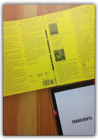
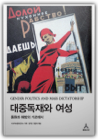
[다목적 근거지: 발간물]은 쇼케이스가 끝난 후 프로젝트와 관련해 각 멤버들이 교환한 총48개의 질문과 그에 대한 답변을 중심으로 엮어졌다. 그 동안의 어려웠던 협업과정과 서로에게 하지 못했던 말들, 기대와 아쉬움의 표현, 작업에 대한 태도들이 여러 가지 대화들과 이미지를 통해 드러난다. - Publish date. 10 March, 2011 Publish. Part-time Suite Press Print. Samwon Printing Design. Donghyeok Shin (hey-ok) Translation. Suu-hyouk Jeong Thanks to. Junsuk Park, Kyungwon Baek, Sanha Lee, Jimin Lee, Jiyeon Lee, Hyungjoo Lee Sponsorship. Seoul Art Space Mullae, Seoul Foundation for Arts and Culture Multi Purpose Basecamp: the Publication mainly consists of the 48 questions involving the project and the members’ answer to them. The questions were exchanged by the collaboration members after the Showcase. A variety of talks and images reveal the difficulty of the collaboration process, words the members hadn’t been able say to each other, expectations and disappointments and different approaches on work. 대중독재와 여성 - 동원과 해방의 기로에서
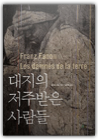
대지의 저주받은 사람들
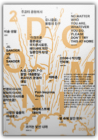
도미노 DOMINO Vol.2 - 2012
독일로 간 사람들 - 파독 광부와 간호사에 관한 기록

도시의 죽음을 기억하라 - 도시 재생과 삶을 공유하는 작은 디자인

두 도시 이야기 - 부산 - 서울 / 서울 - 부산
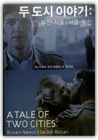
드롭바이덴: 낱 풍경 Drop By Then: Pieces of the Scenery

Drop by Then: Pieces of the Scenery, preceded by Raw Cast and Drop by Then: Screening, is the final end-product of our travelling project Drop by Then. The 72 drawings are a belated result of our first plan, prior to the project, to record our journey by means of drawing, instead of taking photos. We used carbon paper to mark the route of our trip on the poster, which is about the size of an actual map. Also packed inside is a photograph of DMZ to the north, that we secretly took at the Taepung observatory. his package has been mailed to subscribers for free. 디자인 극과 극 - 현시원의 유쾌발랄 디자인 하이킥
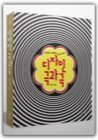
디자인 멜랑콜리아 - 서동진의 디자인문화 읽기
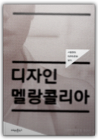
디자인과 범죄 그리고 그에 덧붙인 혹평들
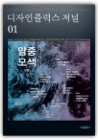
디자인플럭스 저널 01 - 암중모색 상편
디자이너란 무엇인가 - 사물, 장소, 메시지
디자이너란 무엇인가 - 사물, 장소, 메시지
뜻밖의 개인사 - 한 아버지의 삶

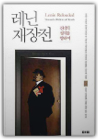
레닌 재장전 - 진리의 정치를 향하여
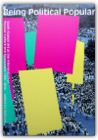
마지막 혁명은 없다 - 1980년 이후, 그 정치적 상상력의 예술
말하는 입과 먹는 입 - ‘종언의 시대’의 종언과 새로운 사유의 모색
멈춰라, 생각하라 - 지금 여기, 내용 없는 민주주의 실패한 자본주의
모나미 153 연대기

모나미 153 연대기

모나미 153 연대기

모나미 153 연대기

모던/포스트 모던
목욕, 역사의 속살을 품다
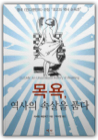
묵시록의 네 기사
문장부호의 번역학
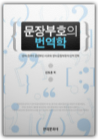
문학은 자유다 - 수전 손택의 작가적 양심을 담은 유고 평론집

문학으로 역사 읽기, 역사로 문학 읽기
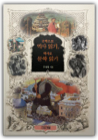
문화연구와 문화이론 - 문화교양 2
미디어 기호학

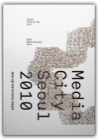
미디어 시티 서울 2010 Media City Seoul 2010
미술과 정치적인 것의 가장자리에서
미의 역사
미학 안의 불편함

바다에 갔다 온 계곡개구리
방법으로서의 유토피아
벌레와 제국 - 식민지말 문학의 언어, 생명정치, 테크놀로지
베르수스 Versus No.4 - 2011
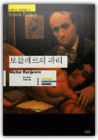
보들레르의 파리
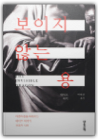
보이지 않는 용 - 아름다움을 바라보는 데이브 히키의 전복적 시선
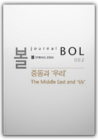
볼 BOL 002 2006.봄 - 중동과 '우리'
볼 BOL 005 2007.봄 - 헐벗은 삶

볼 BOL 007 2007.겨울 - 베트남과 우리
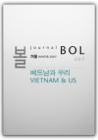
봉기 - 시와 금융에 관하여

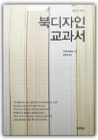
북 디자인 교과서
분류의 역사

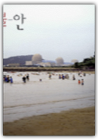
불안, 불-안 - 정주하 사진집
비는 마음

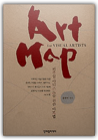
마지막으로 이번 작업이 4.3의 진실을 설명하고자 한 것은 아니다. 이 흔적, 이 사건의 기억을 체험하고 이해하고자 하는 마음을 통해 지금의 삶 또한 과거와 다르지 않음을 인식하고자 함이다. 그것이 고통의 미래를 만들지 않는 유일한 방법이지 않을까 하는 이유이다. 타자에 대한 ‘연민'과 죽은 자에 대한 ‘애도'는 인간의 본성이고 기본적 예의이다. 참된 삶의 조건은 무엇일까. (...) 욕망과 물질로부터 내쳐진 ‘나'의 두려움과 영혼을 직시하는 것이다. -임흥순, 『비는 마음』, 서울:포럼에이, 2012, p.16 목차 비는 마음-제주 4.3과 숭시 _ 신성란 비는 마음 _ 임흥순 통로 B 숭시 롱굿바이 이름 없는 풍경 제주 노트 사자 아카이브 막다른길-별 허구의 우주 그 속을 바라보다 _ 강수정 제주노트 비주얼 아티스트를 위한 아트맵
사-이에서 Between
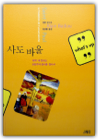
사도 바울 - '제국'에 맞서는 보편주의 윤리를 찾아서
사동 30번지 Sa-dong 30
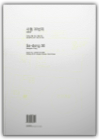
양혜규의 국내 첫 개인전인 '사동 30번지'는 일반적인 전시 공간이 아니라 인천 변두리에 아무도 살고 있지 않은 주택에서 열린 것만으로도 많은 관심을 받았는데, 특히 세월이 그대로 느껴지는 가옥에 양혜규 특유의 감수성으로 구석구석 개입한 설치물로 인해 찾아가기 힘든 장소임에도 불구하고 전시가 연장될 정도로 이슈가 되었었다. 이처럼 작가 양혜규를 이야기할 때 아직도 언급되는 중요했던 국내 첫 개인전 '사동 30번지'의 기록물이 바로 이 책이다. "이 작품이 작가의 작업개념, 방식 등이 집약적으로 표현된 것이었다"며 "미묘한 사유의 세계가 함축돼 있다"고 주은지씨 [뉴뮤지엄 큐레이터, 53회 베니스비엔날레 커미셔너]는 당시를 기억했는데, 오래 동안 사람이 살지 않은 집인 작가의 외가는 낡은 벽지와 문이 겨우 매달려있거나 폐자재가 방안 여기저기에 널려 있지만 그 위를 조용히 밝히는 전구들과 누가 잠시 머물며 손장난을 하고 난 뒤 두고 간 듯한 종이 접기로 만들어진 조형물들, 안방을 지키고 있는 천을 뒤집어 쓴 빨래 건조기, 원래부터 걸려있었던 것 같은 숫자가 뒤엉킨 벽시계 등을 설치함으로써 시간의 흐름과 그에 대한 굴절된 기억, 그리고 그것을 고스란히 감내하고 있는 공간이 직조되어 있는 현장을 그대로 때로는 조금 가까운 시선으로 이 책에 담았다. 기획자 김현진의 글과 다수의 전시 장면 외에도 이 책에는 '사동 30번지'에 대해 기획자와 양혜규, 김장언[비평 및 독립큐레이터]의 심도 있는 대담 내용도 실려 있다. This book documents Sadong 30 (2006), a site-specific installation by Haegue Yang. Occupying a dilapidated house in Incheon, Korea, it consisted of light and reflective elements as well as geometric origamis that led visitors from room to room, from the interior space to the exterior. Its intent was to encourage contemplation of the condition of the place, which the artist says "implied an anti-time and non-space in spite of its evident social and geographical codes". Images of the installation and brief biography included. 사람 건축 도시

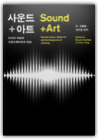
사운드 + 아트 - 미디어 아트와 사운드웨이브의 만남
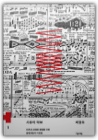
사유의 악보 - 이론의 교배와 창궐을 위한 불협화음의 비평들
사진에 관하여
상상의 공동체 - 민족주의의 기원과 전파에 대한 성찰
새로운 장르 공공미술 : 지형그리기
서울생활의 발견

설국열차 - 1.2.3권 합본호
성의 정치 성의 권리
서울생활의 재발견
세계사의 구조
세계화를 둘러싼 불편한 진실 - 왜 콩고에서 벌어진 분쟁이 우리 휴대폰 가격을 더 싸게 만드는 걸까?
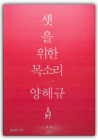
셋을 위한 목소리
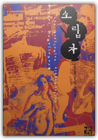
소립자 - Mr. Know 세계문학 29
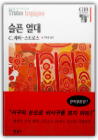
슬픈 열대 - 한길그레이트북스 31
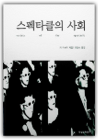
스펙타클의 사회 - 문화교양 7
시각과 시각성
시간의 향기 - 머무름의 기술

시뮬라시옹

시선의 지정학 - 최원준 사진집

시선의 지정학 - 최원준 사진집
시차적 관점 - 현대 철학이 처한 교착 상태를 돌파하려는 지젝의 도전
식민주의에 관한 담론 - 아프리카 문화연구소 기획총서 6
심경의 변화 As you like it
십 년만 부탁합니다 Ten Years, Please
The book contains an essay by curator Hyunjin Kim, the artist's notes, and photographs of the objects on exhibit as well as in storage. 쓰레기가 되는 삶들 - 모더니티와 그 추방자들
아무도 기억하지 않는 자의 죽음
아무도 사진을 읽지 않는다

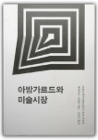
아방가르드와 미술시장 - 1940년에서 1985년까지 뉴욕 미술계
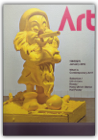
아트인컬쳐 Art in Culture 2013.1
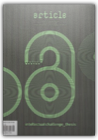
아티클 article 2013.1
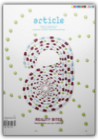
아티클 article 2013.2
아파트에 미치다 - 현대한국의 주거사회학

안규철 43 : 테이블

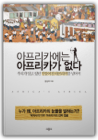
아프리카에는 아프리카가 없다 - 우리가 알고 있던 만들어진 아프리카를 넘어서
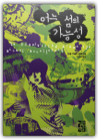
어느 섬의 가능성
언니가 돌아왔다 Eonni is Back
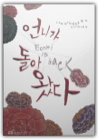
('Eonni' translates into 'big sister', and the term is used by girls/women to address older girls/women.) 엄청나게 시끄럽고 믿을 수 없게 가까운
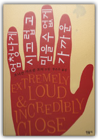
역사 잡학 사전 - 키워드로 읽는 역사 이야기
영원한 친구
예술가의 방 - 아나운서 김지은, 현대미술작가 10인의 작업실을 열다
예술가처럼 자아를 확장하는 법
예외상태
왜 공공미술인가 - 미술, 살 만한 세상을 꿈꾸다, 학고재신서 40
왜 대안공간을 묻는가 Alternative Space What Now: The Past of Alternative Spaces and the Future of Korean Contemporary Art
외부, 사유의 정치학
욕망, 죽음 그리고 아름다움 - 포스트모던 시각으로 본 초현실주의와 프로이트
우애의 미디올로지 - 잉여력과 로우테크(low-tech)로 구상하는 미디어 운동
원동 Won-dong
원서동 프로젝트 : 원서강독 2006. 12. 13 - 12. 30 위건 부두로 가는 길 - 조지 오웰 르포르타주

위대한 전시는 어떻게 탄생하는가? - 최고의 큐레이터들이 답하다

위험사회 (반양장) - 새로운 근대(성)을 향하여

육체의 탄생 - 몸, 그 안에 새겨진 근대의 자국
유럽 디자인 여행
의미를 체현하는 육체 - 여성학 강의 3
인문예술잡지 F 3호 - 공연예술특집, 2011
인문예술잡지 F 4호 - 예술 제도와 분배
일본 小출판사 순례기 - 출판정신으로 무장한
이것이 문화비평이다
이면의 도시
이미지 비평 - 깻잎머리에서 인공위성까지
이미지 비평의 광명세상
이미지와 기호 - 문예신서 267
이주요 Jewyo Rhii
인간의 얼굴을 한 야만
인간의 조건
인문예술잡지 F 1호 - 재난, 2011
인문예술잡지 F 2호 - 예술가의 스테이트먼트, 2011
인문예술잡지 F 5호 - 동시대성과 예술/부르디외를 읽자
인문예술잡지 F 8호 - 토포스/사이트
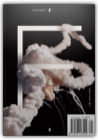
인문좌파를 위한 이론 가이드 - 이론의 쓸모를 고민하는 이들에게
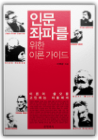
인연 Cause and Effect at HITE Collection
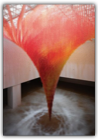
일민시각문화 7. 공원, 한강, 이득영 Ilmin Visual Culture 7. The Park, the River, Lee Duegyoung
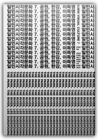
1. <일민 시각문화 총서>의 일곱번째 책으로 출간되는 <공원, 한강, 이득영>은 전시 도록이 아니다. 이득영 사진전 <공원, 한강>과 함께 기획되었지만, 그와는 일정한 거리를 유지하며 준-자율적인 형태로 제작된 단행본이다. 2. <의견 교환>에는 작가 이득영, 미술·디자인 평론가 임근준, 번역가 윤원화, 기계평론가 이영준이 참여해, 사진이라는 시각 기계, 운송 수단에 매개된 시선, 이미지의 디지털 처리 방식, 도시 경관과 시각성의 관계, 동시대 미술과 사진 등에 대해 각자의 의견을 교환한다. 목차 포획하는 거울: 이득영의 한강 사진 / 윤원화 헬리콥터에 의해 매개된 시선의 역사 속에서 본 이득영의 사진 / 이영준 메모: 이득영의 의사-광학적 시선의 초월성과 그것이 호출할 수 있는 사실들의 비역사성 / 임근준 한강 주변의 교통망: 육안과 통계적 눈으로 살펴보기 / 전현우 몸의 무게 / 이진 제목을 입력하십시오 / 김형재,박재현,배민기 Optical Race_김형재,박재현,배민기 일본.현대.미술
이런 전쟁 - 국.영문 통합본
이방인, 신, 괴물 - 타자성 개념에 대한 도전적 고찰
일민시각문화 2. 새마을 Ilmin visual culture 2. The image of korean modern life
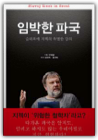
임박한 파국 - 슬라보예 지젝의 특별한 강의
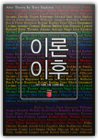
이론 이후
인문예술잡지 F 6호 - 예술가의 프로그램
인문예술잡지 F 7호 - 과학적 상상력과 아방가르드
잃어버린 대의를 옹호하며
자율과 유행 - 한국 그래픽 디자인의 젊은 얼굴들

자율과 유행 2 : 한국 그래픽 디자인의 젊은 얼굴들
전시의 담론 - 모더니즘 이후 미술의 화두 2
전체주의가 어쨌다구?
절대적인 것에 대한 열망이 생성하는 멜랑콜리
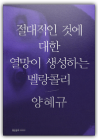
절대적인 것에 대한 열망이 생성하는 멜랑콜리
점프 컷 Jump Cut
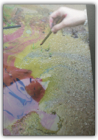
정마리의 정가, 이수경의 헌신
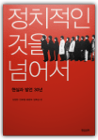
인사말 _ 김찬동 아르코미술관장 서문 _ <정마리의 정가, 이수경의 헌신>전에 부쳐 _ 김인선(전시기획자/윌링앤딜링 아트컨설팅) 평문 _ 내부,외부,막,파동-정마리의 정가와 이수경의 헌신 _ 황인(미술평론) 도판1 _ 1층 정마리 공연장면 도판2 _ 2층 드오릴 설치장면 도판3 _ 이수경 드로잉 <매일 드로잉> 정가 가사 _ 가곡/스타바트 마테르 약력 크레딧 정치적인 것을 넘어서 - 현실과 발언 30년
저항의 인문학 - 인문주의와 민주적 비판
제6회 서울 국제 미디어 아트 비엔날레 결과보고서
제10회 쌈지스페이스 오픈스튜디오전 SSamzie Space The 10th Open Studio Exhibition

제국과 커뮤니케이션

제국은 어떻게 움직이는가? - 신자유주의적 자본주의의 세계화 동력학
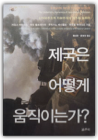
제국의 렌즈 - 식민지 사진과‘만들어진’ 우리 근대의 초상

조직의 재발견 - 한국 자본주의와 기업이 빠진 조직의 덫, 개정판
죽음에 이르는 병
주거 인테리어 해부도감 - 부엌, 거실, 욕실, 수납, 가구에 이르기까지 세계적 거장 11인의 지혜를 빌리다
주거해부도감 - 집짓기의 철학을 담고 생각의 각도를 바꾸어주는 따뜻한 건축책
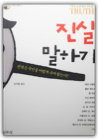
진실 말하기 - 권력은 국민을 어떻게 속여 왔는가?
집 속의 집 Home within Home

Includes numerous essays, artist's notes, biography and list of works. 지난 해 여름 THE LAST SUMMER
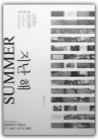
갤러리 정미소 2010년 외부 기획초대전인 “지난 해 여름”은 독립큐레이터로 활동하고 있는 김장언과 normal type net에 의해서 기획되었다. 이번 프로젝트의 출발은 지난 8월 한국의 모 미술잡지에서 시작되었다. 잡지사는 큐레이터에게 ‘메거진 프로젝트’로써 전시를 의뢰했고, 기획자는 작가들에 의해서 기여된 이미지로만 구성된 프로젝트를 고안했다. 기획자는 작가들에게 끊임없이 이루어지는 대화를 요청하며 자신에게 이미지를 기여할 것을 부탁했다. ‘지난 해 여름’은 이미지 대화를 위한 하나의 키워드였다. 이번 프로젝트는 잡지를 위한 프로젝트가 책의 형식으로 확장된 것이다. 기획자는 ‘도록’이 아닌 ‘책’으로서 이미지의 대화를 구성하고자 했다. 메거진 프로젝트에 참여했던 작가들 중 일부와 책 프로젝트에 새롭게 참여한 작가들, 그리고 두 명의 필자가 기획자의 초대에 응했다. 이번 프로젝트는 삶과 의식 그리고 시간에 대한 흔적들이 이미지를 통해 파편적으로 드러난다. 그리고 각자의 의식들은 서로 교차되고 충돌하며 삶의 경험과 시간을 새롭게 구성한다. 그리고 대화는 대화없이 대화를 구성한다. 전시장에서는 이 도서의 구성 내용들이 파편적으로 보여질 예정이다. 도서는 24일 출간될 예정이며, 전시장에서 구입할 수 있다. 참여작가 Artists & Contributors 곽은지 Kwak Eun Ji, 권자연 Jayeon Kwon, 구동희 Donghee Koo, 김나영 & 그레고리 마스 nayoungim & gregory s. maass, 김시원 Kim Si Won, 김재범 Jaebum Kim, 나조영 Paul J.Y. Nah, 남화연 Hwayeon Nam, 노재운 Rho Jae Oon, 만들라 루터 Mandla Reuter, 믹스라이스 mixrice, 옥정호 Oak Jung Ho, 윤정미 JeongMee Yoon, 윤주경 Joo Kyung Yoon, 이고르 셰브츅 Igor Ševčuk, 이미연 Miyeon Lee, 이슬기 Seulgi Lee, 이윤호 Lee Yunho, 이재이 Jaye Rhee, 이주영 Jooyoung Lee, 쟈스미나 로벳 & 루이스 페르난데스 폰스 Jasmina Llobet & Luis Fernández Pons, 정소영 Soyung Chung, 정직성 Jeong Zik Seong, 정현 Jung Hyun, 조은지 Eunji Cho, 진시우 Jin Shiu, 하이디 보겔 Heidi Vogels 기획 Curated by 김장언 & 노말타입 Jang Un Kim & normal type net 책 디자인 Designed by 신덕호, 우태희, 정연일 shin, dokho + woo, taehee + jung, yeonil * 23일은 오후 6시 오픈 합니다. 별도의 오프닝 행사는 없습니다. * 전시기간 중 휴관일은 매주 월요일, 12월 25일 26일 31일, 1월 1일 2일 입니다. 주최 Organized by 갤러리 정미소Gallery JungMiSo 후원 Supported by 운생동, 스페이스 코디네이터, 한국문화예술위원회, 객석 Unsangdong Architects Cooperation, Space Coordinator, Arts Council Korea, auditorium 갤러리 정미소Gallery JungMiSo 110-810 서울시 종로구 동숭동 199-17번지 2층 2 Foor, 199-17, Dongsung-dong, Jongro-gu, Seoul, 110-810 Korea Tel. 82 (2) 743 5378 E-mail [email protected] 지도와 영토
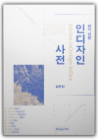
찾기 쉬운 인디자인 사전 - Adobe InDesign InDex
청취의 기술

인사미술공간 2007 135 쪽 180*260mm 컬러도판 한글/영어 ISBN: 978-89-93082-27-2 15,000원 ‘사운드 아트’와 ‘음악’의 차이는 무엇이고 경계는 어디인가? 라는 질문은 사운드 아트가 현대미술에서 중요하게 다루어지기 시작하면서 지속적으로 제기되고 있지만 여전히 합의된 정의는 없다. 이렇게 사운드 아트는 정의되거나 구분되지 않은 채로 계속해서 증식하고 미술과 음악, 심지어 문학까지 장르를 넘나들며 그 영역을 넓혀나가고 있다. ‘청취의 기술’은 이러한 사운드 아트를 연구하고 시각 중심으로 발달된 우리의 문화를 청각을 동원해 살펴보고자 2007년 인사미술공간에서 진행한 워크숍, 아티스트토크, 스크리닝, 퍼포먼스의 내용을 수록하고 있다. 또한 워크숍 과정에서 제작한 DVD가 포함되어있다. <목차> 청취의 기술_강성은 워크숍 -약간- 소리텍스트 약간_권병준 약간 아마츄어 -소리, 건축, 공공장소- 공공장소의 심리음파와 변조_마크 베인 사운드워크숍 다이어리_최태윤 동대문에서 -듣기의 원근법- 듣기의 원근법: 귀로생각하기_O+A 듣기의 원근법: 서울 아티스트 토크 크리스티나 쿠비쉬 데이빗 미카엘 디 그레고리오 마크 베인 O+A 스크리닝 비주얼 사운드 퍼포먼스 비주얼 사운드 퍼포먼스_VJ권 & 프라이머리 존 케이지, 뉴욕스쿨과 그 이후_발톤 워크숍 관련 페이지 - [인미공 워크샵] 2007 인미공 워크숍 ‘청취의 기술’ 2007. 11. 5 - 12. 15 추의 역사
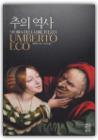
칠레의 밤
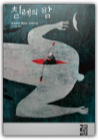
카페 림보

콘크리트 유토피아
큐레이터 본색

큐레이팅의 역사
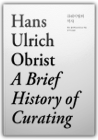
큐레이팅이란 무엇인가
큰 것 작은 것 넓적한 것의 속도 - The Speed of the Large the Small and the Wide
타이포그래피의 탄생 - 구텐베르크부터 디지털 폰트까지
테마 현대미술 노트 - 1980년 이후 동시대 미술 읽기 - 무엇을, 왜, 어떻게
테헤란 Teheran
트랜스 팝: 한국 베트남 리믹스 transPOP: Korea Vietnam Remix
큐레이터 Curators 비엣 레 Viet Le, 민영순 Yong Soon Min 참여작가 Artists 권소원 Sowon KWON, 딘 큐 레 Dinh Q. LÊ, 리 호앙 리 Ly Hoang LY, 린+럼(라나 린+H. 란 타오 럼) Lin + Lam(Lana LIN + H. Lan Thao LAM), 박진영 Area PARK, 배영환 BAE Young Whan, 산드린 루케트 Sandrine LLOUQUET, 송상 Sang-hee SONG, 안미레 An-My LÊ, 오용석 OH Yongseok, 유순미 Soon-Mi YOO , 응웬 만 흥 NGUYEN Manh Hung, 이용백 LEE Yong-Baek, 쩐 르엉 Tran LUONG, 최민화 Min Hwa CHOI Chul-Hwan, 티파니 정 Tiffany CHUNG Contents 10. 인사말 12. 큐레이터들의 대담 / 서신 38. 한국의 베트남 전쟁: 침묵을 넘어 58. 익명의 진정성: 대중문화와 전쟁에 관한 미술 70. 참여작가소개 137. 동시대 베트남 미술에서의 몸과 자아 144. 한국계 미국인 청년과 대중문화의 태평양간 초국적 유통 172. 사회중의 이후 베트남에서 발견되는 동아시아 문화의 흔적들 196. 큐레이터들의 대담 / 서신(베트남어) 212. 연대기 216. 음악 모음 220. 심포지엄 정보 224. 큐레이터 / 필진 228. 전시작품 목록 232. 표제 / 크레딧 234. 감사의 글 236. 열바 부에나 미술관 정보 237. 아르코미술관 정보 10. Foreword . BECK Jee-sook 12. Curatorial Conversations / Correspondences . Viet LE & Yong Soon MIN 38. Korea`s Vietnam War: Out of the Silence . Charles K. ARMSTRONG 58. The Authenticity of the Anonymous: Popular Culture and the Art of War . Viet Thanh NGUYEN 70. Art / Artists 137. The Body and the Self in Contemporary Vietnamese Art . Nora A. TAYLOR 144. Korean American Youth and Transnational Flows of Popular Culture across the Pacific . Jung-Sun PARK 172. East Asian Cultural Traces in Post-socialist Vietnam . Mandy THOMAS 196. Curatorial Conversations / Correspondences . Vietnamese Version 212. Chronology 216. Song Compilation 220. Symposium Information 224. Curators / Contributors 228. Exhibition Checklist 232. Captions / Credits 234. Acknowledgements 236. Yerba Buena Center for the Arts information 237. Arko art center information 발행인 ㅣ 김정헌(한국문화예술위원회 위원장) 기획 및 편집 ㅣ 비엣 레, 민영순 번역 ㅣ 이정진, 정병선, 박지원 교정 ㅣ 이해원, 마야 와이머, 박지선 디자인 ㅣ 비연세 사진 ㅣ 코코 인쇄 ㅣ 현대원색문화사 Publisher ㅣ Kim Jung-heun(Chairman, Arts Council Korea) Editors ㅣ Viet Le, Yong Soon Min Translation ㅣ Yi Jungjin, Jung Byong-Sun, Jeewon Park, Thuy Anh T. Nguyen Proofreading ㅣ Lee Hea-Won, Maya Weimer, Jeesun Park Design ㅣ Byon Ce Photography ㅣ Koh Koh Printing ㅣ Hyundai Color Printing Copyright © Arko Art Center, Arts Council Korea, 2008 팔레스타인

파동, The Forces Behind
파워 오브 디스플레이 - 20세기 전시 설치와 공간 연출의 역사
퍼포먼스, 윤리적 정치성
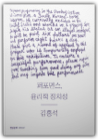
페가서스 10000마일 - 철완 이영준의 본격 항해, 어드벤처, 대양횡단, 기계비평서

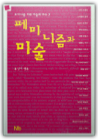
페미니즘과 미술 - 모더니즘 이후 미술의 화두 3
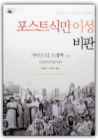
포스트식민 이성 비판
폭력의 세기 - 이후 오퍼스 01

표류교실 1
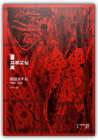
표류교실 2
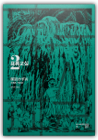
표류교실 3
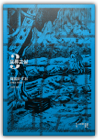
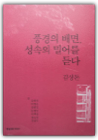
풍경의 배면, 성속의 밀어를 듣다
프로젝트 리포트 2009 PARTTIMESUITE PROJECT REPORT 2009
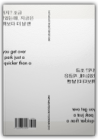
파트타임스위트의 2009년 프로젝트를 도와주신 안정섭, 백경원, 차재민, 이은정, 김현진, 김장언, 이대범, 이형주, 최종운, 류한길, 임민욱, 이정은, 최복규, 충무로 부동산뱅크, 극단 다페르투토, 팽귄클래식, 열화당에 감사의 뜻을 전합니다. TOLOVERUIN (EP, 2010) Intro Music, 작곡: p-t s s / Turning to Ice, 작곡: 박재영+최태현, 가사: Cathy Acker의Blood and Guts in High School에서 무단 발췌 / Loop the Loop, 작곡: 최태현 / Reading, 작곡: 최태현 / Sudden Fiction, 작곡: 최태현, 작사: 이미연 / P-T S S, 작곡: 최태현, 작사: 이미연, 나레이션: 박재영+이미연 Part-times Suite Sound 기타/보컬: 최태현 베이스: 이미연 패드: 이병재 키보드: 박재영 프로듀싱: 최태현 마스터링: 장영규 - Part-time Suite Annual Report 2009 (192 pages) Published by Part-time Suite Press in an edition of 500 copies. Sponsored by Seoul Foundation for Arts and Culture. The Book printed and bound by Dongang Print, CD-R printed by Yein Media in Soeul, Korea. Graphic design by Sinhye Hwang ([email protected]). Translated by Suu-hyouk Jeong. Edited by Part-time Suite. Music by Part-time Suite Sound. Copyrights of the original texts of the excerpts in this book are reserved by the original artists, authors, and copyright holders. Part-time Suite respects the rights of the original artists, authors, and copyright holders. Part-time Suite would like to Thanks to Jeongsub Ann, Kyoungwon Baek, Jaemin Cha, Eunjeong Lee, Hyunjin Kim, Jang Un Kim, Daebum Lee, Hyungju Lee, Theater Company Cho Geung Jeong, Jong Un Choi, Hankil Ryu, Minouk Lim, Jeong Eun Lee, Bokgyu Choi(Donghaewon), Chungjeongno Budongsan Bank, Penguin Classic Korea and Yeol Hwa Dang pbl. TOLOVERUIN (EP, 2010) Intro Music by p-t s s / Turning to Ice, Music by Jaeyoung Park & Taehyun Choi, words by Cathy Acker (taken from Blood and Guts in High School without permission) / Loop the Loop, Music by Taehyun Choi / Reading, Music by Taehyun Choi / Sudden Fiction, Music by Taehyun Choi, words by Miyeon Lee / P-T S S Music by p-t s s, words by Miyeon Lee, Narration by Jaeyoung Park and Miyeon Lee Part-times Suite Sound Guitar and Vocal. Taehyun choi Bass. Miyeon Lee Drumpad. Byoungjae Lee Synth. Jaeyoung Park Producing. Taehyun Choi Co-mastering. Jang, Young-Gyu 플랫폼 서울 2008 Platform Seoul 2008

총 12개의 장소에서 전시되는 “I have nothing to say and I am saying it”에 참가하는 작가들 중 대부분은 전시장이 지닌 장소성에 연관하여 새로운 작업들을 실행한다. 특히 구 서울역사에는 건물이 지닌 역사적이고 사회문화적인 맥락과 연계하여 전시가 구성되고 사간동 일대의 아트센터나 갤러리의 경우에도 전시 장소에 대한 탐구가 선행된 후 작업이 구성된다. 그리하여 플랫폼의 참여작가들은 대부분 자신이 전시할 장소에 미리 방문하여 장소와 결부하여 새로운 프로젝트를 제작하거나 기존의 작업을 설치할 경우에도 장소와 연계하여 새롭게 전개하는 형태로 참여하고 있다. 전시 설명 플랫폼 서울 2008 “I have nothing to say and I am saying it”의 기획을 맡은 사무소(SAMUSO)는 일반 관객에게 친숙하지 않은 동시대 미술의 이해를 돕고 12개의 공간에 퍼져있는 전시를 효율적으로 관람하기 위하여 모든 전시장에서 매일 도슨트 투어를 운영한다. 특히 구 서울역사는 수년간이나 방치된 공공 장소로서의 안전성 문제와 함께 효율적인 작품 관람을 위해 매 30분마다 도슨트 투어가 진행된다. “I have nothing to say and I am saying it”에서 도슨트는 단지 작품을 설명하는 자가 아니라 관객과 소통하고 토론을 유도하는 적극적인 매개자로서 전체 전시 구성의 일부분이 된다. “I have nothing to say and I am saying it” 전시에 대한 경험은 결국 새로운 시간과 공간과의 조우이다. 이는 새로운 지각적 경험이지만 소통에는 한계가 있다. 지식과 개념은 전달될 수 있지만 감각과 경험이 완전하게 전달되는 것은 불가능하기 때문이다. “I have nothing to say and I am saying it” 전시에 들어서는 순간 관객은 작품이 속한 시간과 공간에 삽입되어 시각에 한정되지 않는 공감각적인 경험을 하게 된다. 존 케이지(John Cage)는 완전하게 침묵이 흐르는 방 안에서 자신의 맥박의 진동, 혈관의 흐름의 소리 등 평소에는 느낄 수 없었던 감각을 지각하는 경험을 한다. 이러한 의도되지 않는 지각적 경험을 “I have nothing to say / and I am saying it / and that is poetry / as I need it” 라는 말로 표현하였다. 비록 완전한 소통은 이루어지지 않지만 일방적인 시각적 경험을 강요하는 것이 아니라 직접 경험하고 체험해야 느낄 수 있는 감각의 경험을 제시한다는 의미에서 전시의 제목을 “I have nothing to say and I am saying it”이라 한다. 피로사회

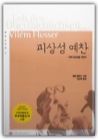
피상성 예찬
한국 도시디자인 탐사 - 광역시의 정체성을 찾아서

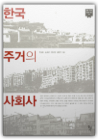
한국 주거의 사회사
한국현대미술운동사 - 돌베개인문.사회과학신서 61

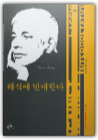
해석에 반대한다 - 이후 오퍼스 07
현대미술 스타일 매뉴얼 - 작가, 큐레이터, 평론가를 위한 필수 가이드
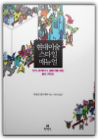
현대미술과 시각문화
현대의 신화 - 롤랑 바르트 전집 3

호모 사케르 - 주권 권력과 벌거벗은 생명
|


Hyejin Jang
Collection Total:
848 아이템
848 아이템
Last Updated:
Apr 22, 2013
Apr 22, 2013
 Made with Delicious Library
Springfield, State zipflap congrotus delicious library Jang, Hazina Hyejin